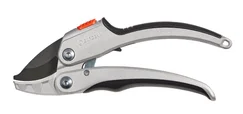
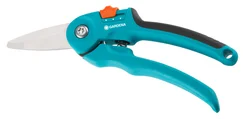
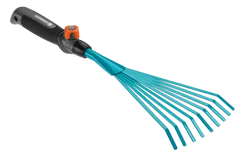
Planuojant sodą, augalų pasirinkimą dažnai įkvepia gėlių forma ir spalva. Vasarą būna daugelio augalų veislių žydėjimo pikas, pripildydamas sodus įvairių ir spalvingų žiedų. Dauguma augalų žydi patys, tačiau kai kuriais atvejais jų klestėjimui reikia sodininko palaikymo. Vasarinis genėjimas, dar vadinamas palaikomuoju genėjimu, padeda pailginti augalo žydėjimo laikotarpį ir pagerina bendrą augalo būklę.
Plants do not develop all of their flowers simultaneously, but gradually throughout the summer.
By pruning faded stems, you encourage new growth, helping your garden stay in full bloom for the entire season. This is particularly beneficial for perennials such as rudbeckia, helenium or heliopsis. Maintenance through pruning ensures you can enjoy their impressive colours for a longer period.


With some rose varieties, pruning the upper stem directly after the first main flowering can encourage a second flowering. To achieve a long and intensive flowering phase, it is advisable to find out about your plant’s remontant characteristics.
Other plants tolerate being pruned back to a hand's breadth above the ground after the first flowering. Perennials such as delphinium, chrysanthemum, nepeta, and salvia sprout vigorously until late summer and delight both humans and insects with their continued abundance of flowers:


Tip: It’s important to give plants sufficient fertilizer and water to promote healthy new growth following a heavy pruning.
Plants such as astilbes, columbine, polemonium or phlox, which spread quickly by self-seeding or run wild, can be contained to a certain area by targeted summer pruning. If the faded flowers are removed promptly, the plant will not produce further seeds.


Further pruning signals
Inconsistent weather in the summer can pose a health risk to your plants. Warm and humid weather conditions create ideal conditions for fungal pathogens to grow. Flowers, fruit, and leaves are at risk of being attacked by Molds like Botrytis. It is crucial to prevent these pathogens from spreading, as they can infect many plant species. Flower, fruit, or plant shoots covered in a grey-brown mouldy growth should be cut off and disposed of in the trash or compost pile and covered with a lid to prevent the disease from spreading.